


How Classroom Amplification Systems Improve Student Comprehension
Teachers weren't meant to compete with HVAC systems, hallway noise, and 25 sets of shuffling feet for six hours a day. A classroom amplification system fixes that by putting a small microphone on the teacher and a few speakers in the room, so every student hears the same clear volume no matter where they're sitting or which way the teacher is facing. It's a narrower and more affordable project than a full classroom AV overhaul, and it's specifically about sound reinforcement, not recording, streaming, or displays.
SoundPro's Education specialists spec classroom sound reinforcement systems for districts of every size.
What a Classroom Amplification System Actually Does
The concept is simple. A teacher wears a small wireless microphone, that signal gets sent to an amplifier, and a set of ceiling or wall speakers plays it back evenly across the room. Instead of a teacher's voice fading out for the kids in the back row or getting lost under classroom noise, everyone hears the same clear level.
The research backing this is worth knowing, because it's often what gets a proposal approved. Classrooms with amplification systems have shown measurable improvements in student comprehension and attention, along with reduced vocal strain for teachers who no longer have to project over background noise all day.
"The proposal that gets approved is rarely 'buy speakers for the classroom.' It's 'reduce vocal strain and improve comprehension district-wide for the cost of a few microphones per room.' Same gear, better framing."
Core Components Explained
Teacher microphone options
Most classroom systems use one of two mic styles: wireless lavalier (lapel) mics that clip onto clothing and stay consistently close to the mouth, or wireless headset and pendant mics for teachers who prefer not to clip a mic to their clothing.
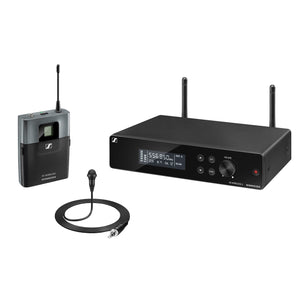
A wireless lavalier that clips onto clothing and stays consistently close to the mouth, which gives even pickup as a teacher moves and turns throughout a lesson. A dependable, no-fuss choice for single-classroom or campus-wide amplification rollouts.
Shop at SoundPro →Speaker placement
Ceiling-mounted speakers are the most common choice for classroom amplification because they distribute sound evenly across the whole room without taking up wall space or getting knocked around by furniture. Wall-mounted speakers are a reasonable alternative in rooms where ceiling access is limited.
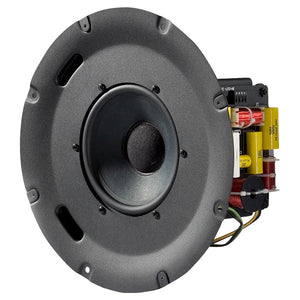
A reliable ceiling speaker sized well for a standard classroom, delivering even, natural coverage without drawing attention to itself. One to two of these per room is typical, depending on classroom size and ceiling height.
Shop at SoundPro →Amplifiers and receivers built for classroom use
Rather than piecing together a receiver, amplifier, and speakers separately, many classrooms use a complete system built specifically for this purpose.
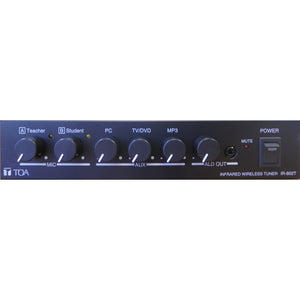
Bundles a tuner/mixer, power amplifier, and infrared wireless technology into one package designed exactly for classroom amplification, which simplifies both the purchase and the install. A strong option when standardizing a system across many rooms.
Shop at SoundPro →Let's talk through room count, ceiling height, and budget so every classroom works the same way.
Single Classroom vs. Campus-Wide Rollout
A single classroom system is a manageable, self-contained purchase: typically a mic, an amplifier or all-in-one unit, and one to two ceiling speakers. Where the planning gets more involved is scaling that up across a building or district.
| Scope | What to Plan For |
|---|---|
| Single classroom | One teacher mic, one amplifier or all-in-one unit, 1–2 ceiling speakers |
| Building-wide | Standardized gear across every room for simpler training and troubleshooting, volume pricing from one vendor |
| District-wide | Phased rollout by building, shared spare-parts inventory, staff training program |
Standardizing on one system across every classroom pays off in a few ways: volume pricing from a single vendor, simpler training for staff, and easier troubleshooting since every room works the same way. If you're planning at the campus or district level, our Higher Education AV guide covers the broader considerations of outfitting many rooms consistently.
How This Differs from a "Smart Classroom" or Hybrid Learning Setup
It's easy to lump classroom amplification in with the bigger, more visible AV projects schools take on, but they solve different problems:
- Classroom amplification is audio-only: making sure every student can hear the teacher clearly. It's relatively affordable and can be rolled out room by room.
- Smart classroom and hybrid learning builds add displays, cameras, recording, and streaming capability on top of, or instead of, basic amplification, for schools supporting remote students or lecture capture.
If amplification is your immediate need but you know a bigger AV project is on the horizon, it's worth reading our Smart Classroom Equipment guide and Hybrid Learning Systems guide before you buy, so you choose amplification gear that plays well with whatever comes next.
Funding Classroom Amplification Upgrades
Classroom audio improvements sometimes qualify under broader school funding programs. Our recent piece on The $93 Million School Safety Grant covers one current federal funding opportunity worth checking against your district's plans, and E-Rate funding can apply to some classroom audio infrastructure as well.
Next Steps
If you're ready to plan classroom amplification for one room or an entire district, here's the path we walk through with schools:
- Decide your scope. One pilot classroom, one building, or a full district rollout each call for a different purchasing approach.
- Pick a mic style and speaker count based on room size and teacher preference.
- Check funding options against current grant programs and E-Rate eligibility before finalizing a budget.
- Call SoundPro before you finalize anything. Our Education Account Managers can help you standardize a system that scales cleanly from a single pilot room to a full district rollout.
- Installation and Ceiling Speakers at SoundPro
- Wireless Microphone Systems at SoundPro
- Assistive Listening Systems at SoundPro
- Assistive Listening Systems for Schools & Universities
- What Equipment Is Needed for a Smart Classroom?
- The $93 Million School Safety Grant
Get a custom recommendation from SoundPro's certified Education specialists, sized to one room or your whole district.
FAQ: Classroom Amplification Systems
What is a classroom amplification system?
A classroom amplification system is a sound reinforcement setup that amplifies a teacher's voice through a wireless microphone and ceiling or wall speakers, so every student hears the same clear volume regardless of where they're seated in the room.
How is a classroom amplification system different from an assistive listening system?
A classroom amplification system benefits every student in the room by improving overall clarity and volume. An assistive listening system is specifically designed to meet ADA accessibility requirements for students with hearing impairments, often using receivers or neck loops tied directly to a student's hearing device.
How much does it cost to add amplification to one classroom?
A single-classroom system, including a wireless teacher microphone, amplifier, and one to two ceiling speakers, is a relatively affordable upgrade compared to a full AV or hybrid-learning build. Costs scale with room size and how many speakers the space needs for even coverage. SoundPro's Education Account Managers can provide personalized pricing for a pilot room or a full rollout.
Do classroom amplification systems help students without hearing difficulties?
Yes. Research on classroom acoustics has shown improved comprehension and attention for all students in amplified classrooms, not just those with hearing impairments, since consistent volume reduces the strain of trying to hear over background noise.
How fast can SoundPro ship classroom amplification equipment?
In-stock items ship same day on orders placed before 4:00 PM CST. For multi-room or district-wide rollouts, SoundPro's Account Managers can help sequence orders around your installation schedule.


